Directing agents
- Orders work best as a target, the current state and the gap, not as a method.
- Gates in code stop regressions; written rules alone do not.

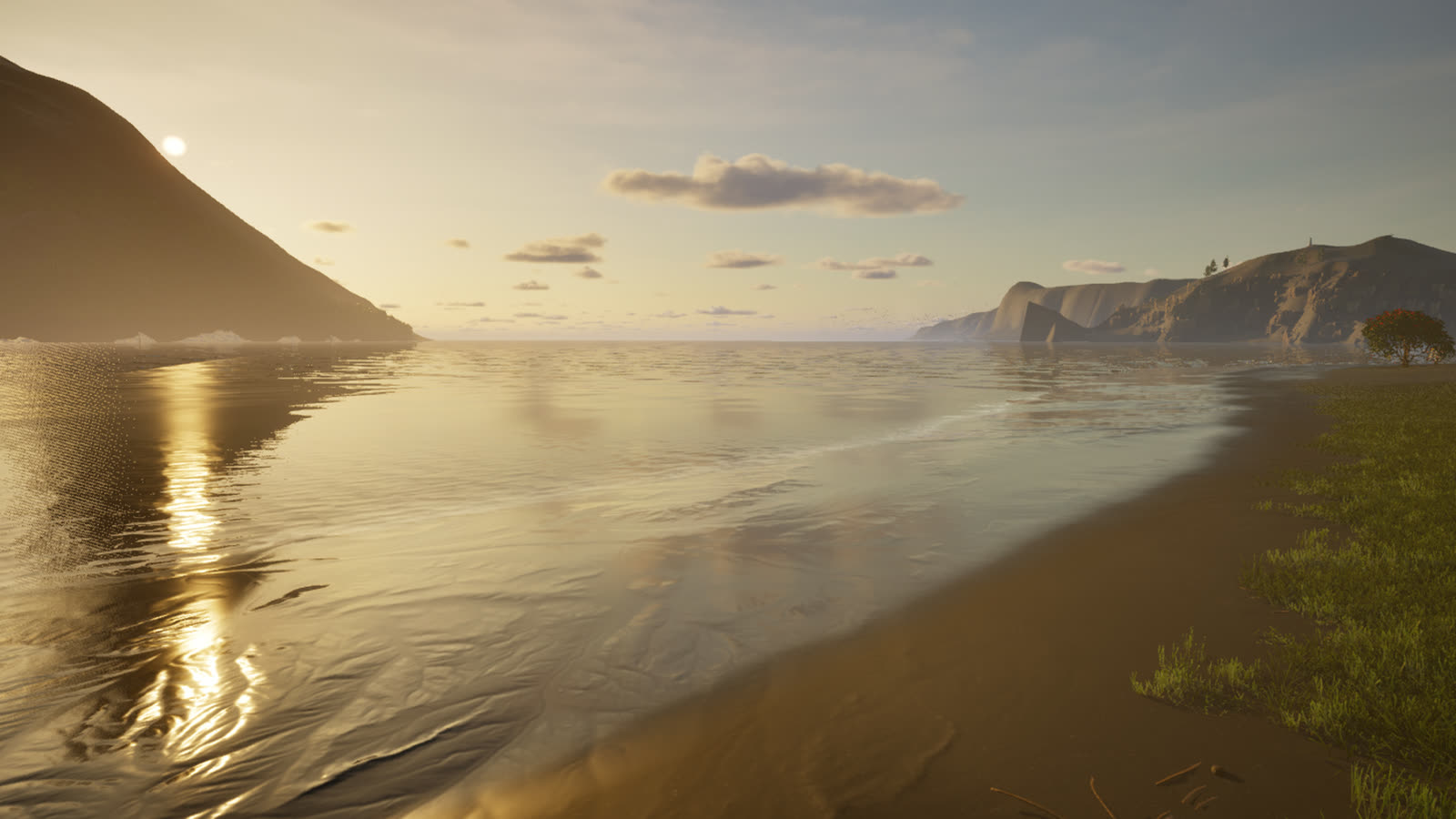
Co-op open-world RPG set in New Zealand, built in Unreal Engine 5. One developer, run as an agentic studio.
WHEKO is a co-op open-world RPG set on a stylised New Zealand coast. Players fish, sail, build and explore beaches, bush and small settlements. I am the only developer. Coding agents do most of the build work, and I direct them as an orchestrator. All screenshots are in-engine frames from the current alpha build, not concept art.
Black-sand beaches, flax, cabbage trees, pohutukawa and old weatherboard baches. Each area is built against a concept board and graded beside it.
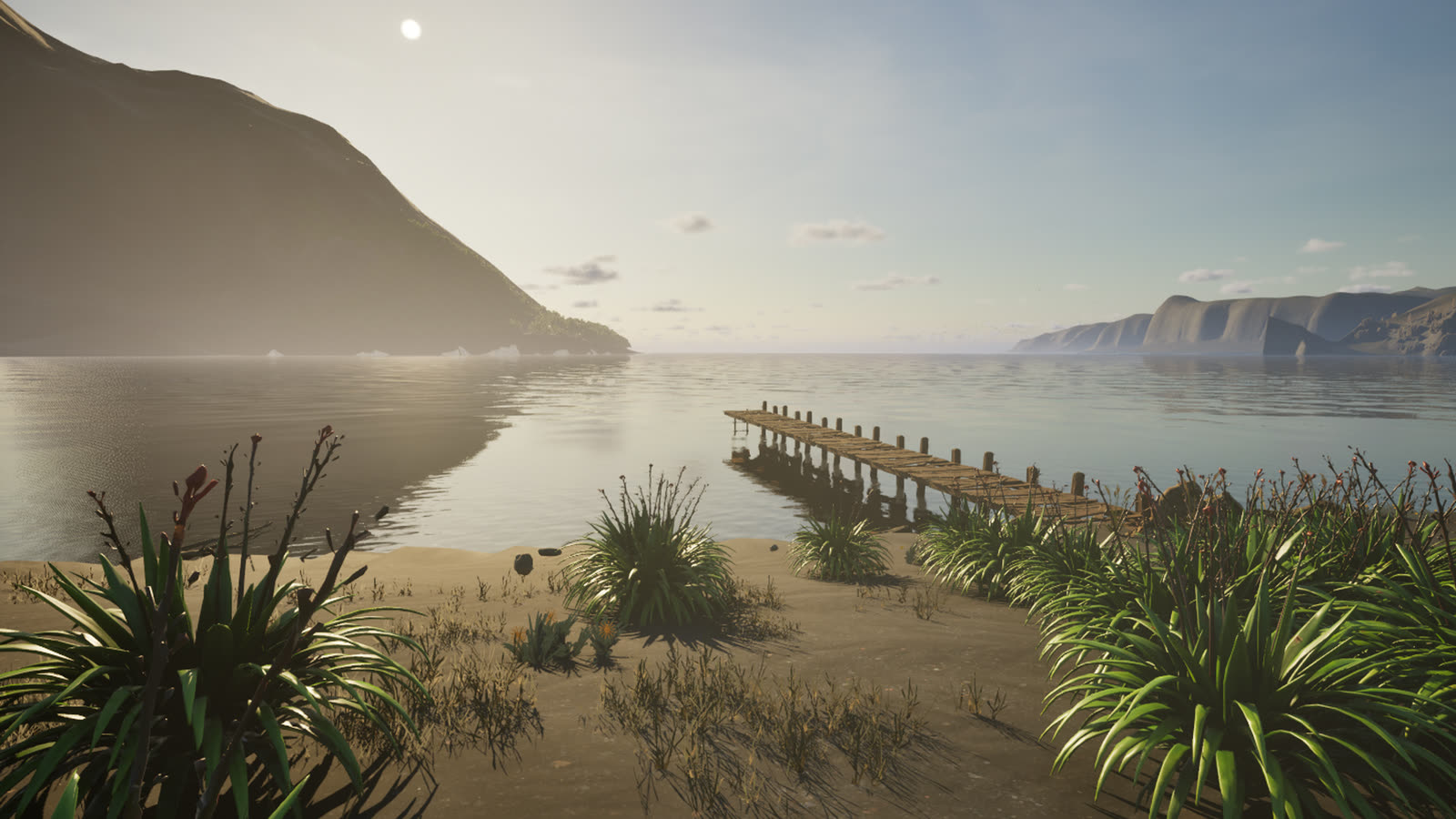
One world map with World Partition streaming. Terrain is imported in tiles, then painted by biome and dressed in the editor.
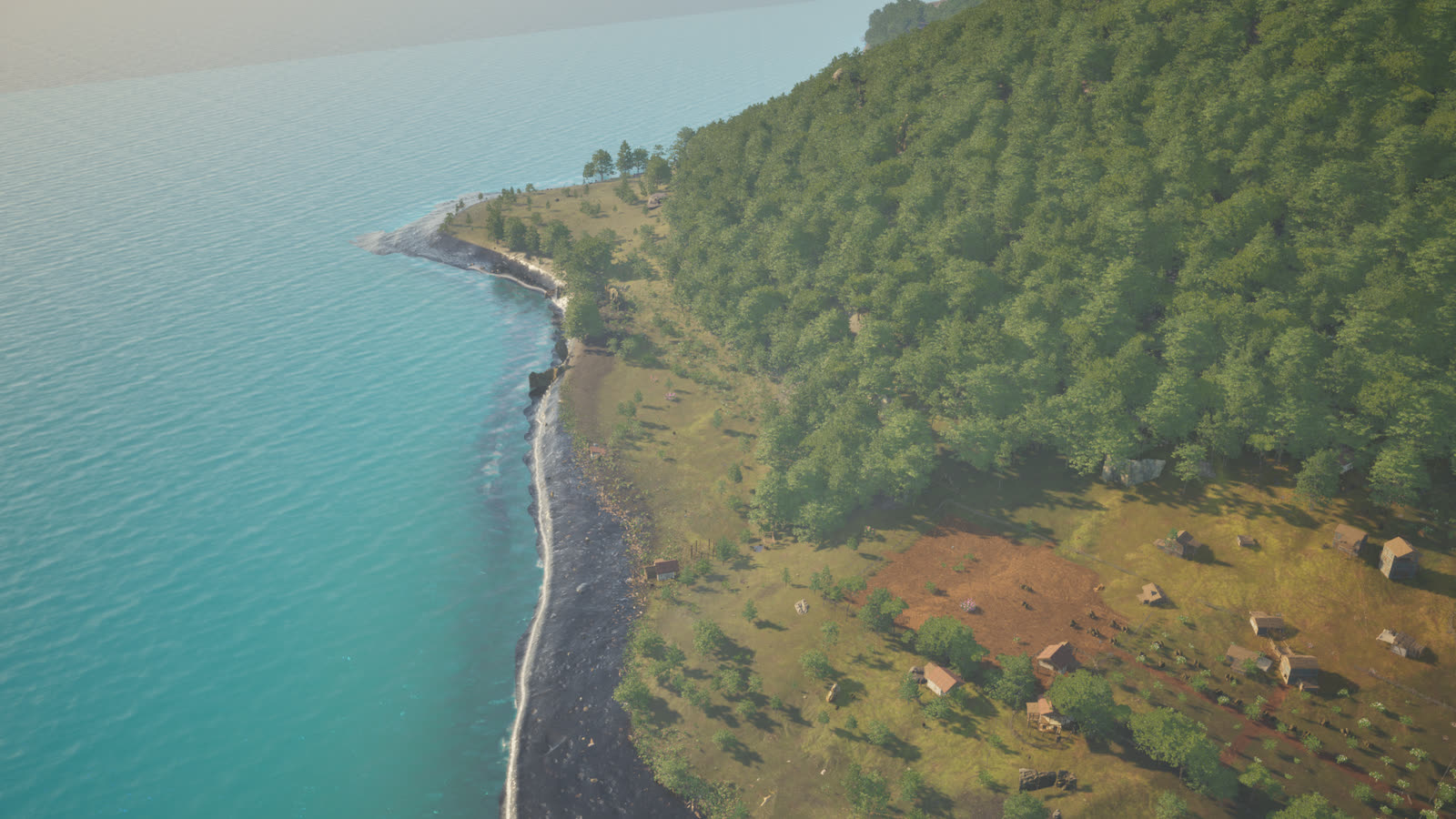
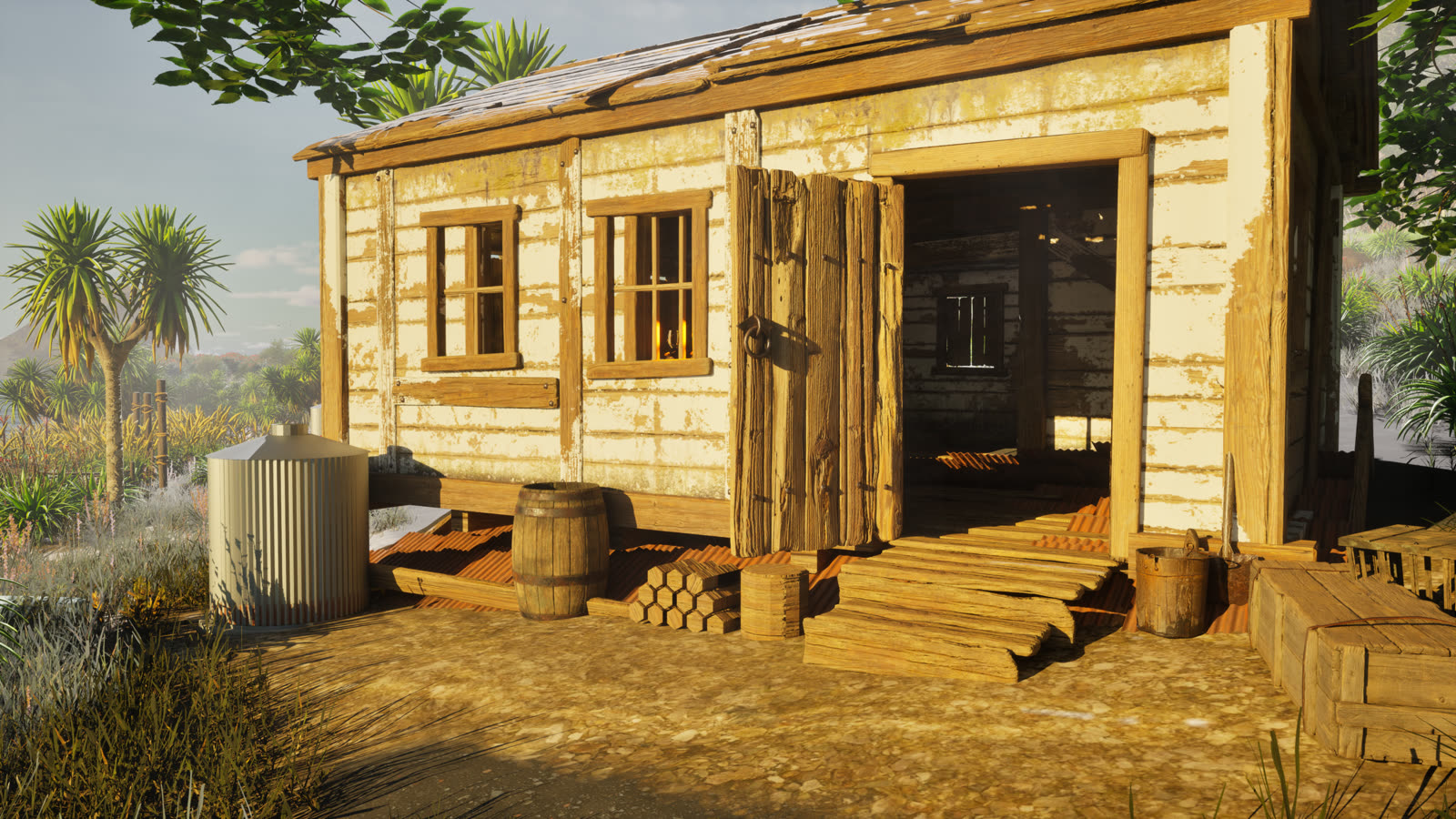
Buildings are open, not facades. Props are placed by hand so each one reads up close.
Agents work in their own git worktrees and open pull requests. A second model reviews each one. Every system has a numeric verify step, and look work is proven by a frame beside its board.
Agents passed checks while the world still looked wrong. The fix was a blind grader that scores frames against the board. A passing check no longer counts as done.
Several live editors and shader workers exhausted system memory. Each editor seat now has a memory gate and a capped worker count.
Parallel edits to one map conflict. One owner holds each area, and saved map content is the single source of truth.